
As a part of FTD Awareness Week, we want to give platform to people directly affected by Frontotemporal dementia. This piece was written by Joanna Sinclair, whose mother was diagnosed with FTD.
Living Well with Frontotemporal Dementia: Finding Joy, Purpose and Connection after Diagnosis
A diagnosis of Frontotemporal Dementia does not mean life stops. It means life changes. For families living with FTD, the challenge is not simply learning how to manage symptoms, but discovering new ways to hold on to the things that make life meaningful.
When people hear the phrase “living well with dementia”, they often assume it refers to treatments, medical care or trying to slow the progression of the disease. In reality, living well with dementia means something much broader. It means supporting a person’s wellbeing, identity, independence and quality of life for as long as possible. It means helping them continue to enjoy relationships, hobbies, interests and everyday pleasures, even when those things need to be experienced differently.
For someone living with Frontotemporal Dementia (FTD), this philosophy is particularly important. Unlike some other forms of dementia, FTD often affects behaviour, personality, motivation, social awareness and language before memory is significantly affected. Families frequently describe feeling as though they are caring for someone who physically looks much the same but is gradually interacting with the world in very different ways. These changes can be confusing, upsetting and sometimes isolating.
Yet while FTD inevitably brings losses, it does not remove a person’s need for love, laughter, purpose, companionship or enjoyment. Perhaps the most helpful question families can ask is not, “How do we keep things exactly as they were?” but rather, “What does a good life look like now?” That small shift in thinking can be life-changing.
Instead of focusing entirely on what has been lost, families can begin to recognise what remains. The goal becomes finding ways to adapt favourite activities, maintain meaningful relationships and create opportunities for pleasure and purpose. A person who can no longer manage a holiday abroad may still delight in a weekend away somewhere familiar. Someone who struggles to read a novel may become absorbed in listening to audiobooks. A family member who finds large gatherings overwhelming may still enjoy sitting with a close friend over coffee. The activity changes, but the enjoyment does not have to disappear.
Adapting Rather than Surrendering
One of the greatest challenges for families is constantly
comparing the person they see today with the person they were before the
diagnosis. This is entirely understandable. Dementia brings grief, and grieving
for those changes is a natural response.
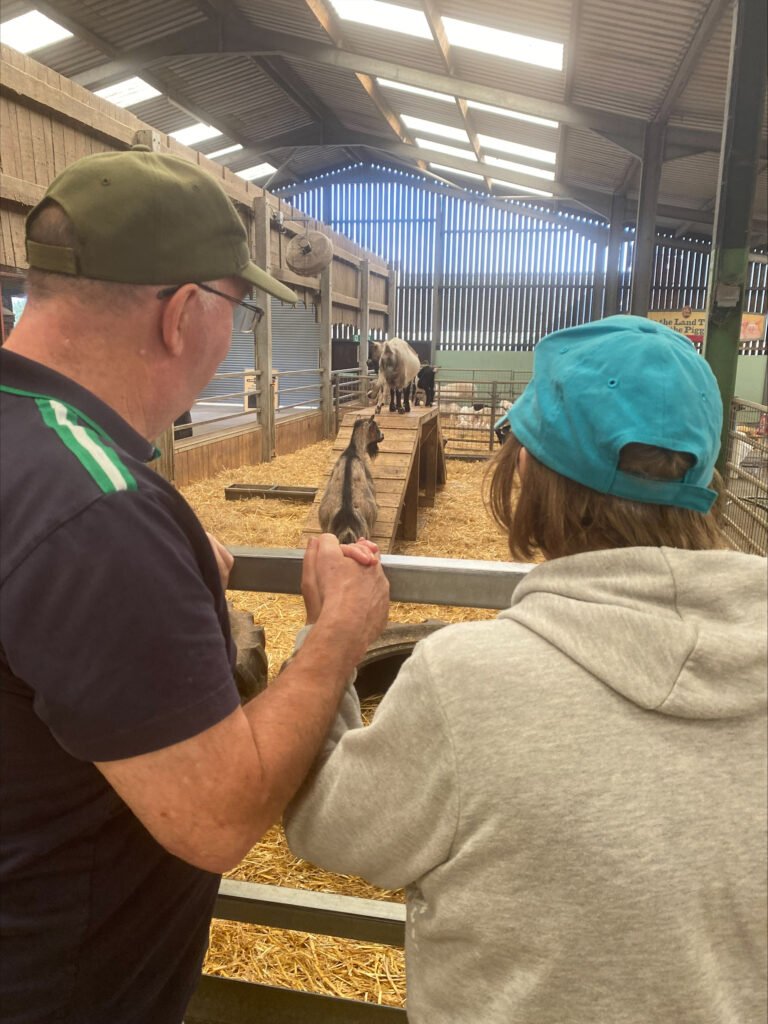
However, many families discover that life becomes easier when they stop measuring every day against the past and start focusing on the present. Instead of asking what a loved one can no longer do, they begin asking what they can still enjoy.
Many professionals describe this as person-centred care. Rather than concentrating solely on symptoms, it focuses on the individual’s interests, personality, strengths and preferences. The person should remain at the centre, not the diagnosis.
For example, if someone always loved gardening but can no longer manage a large garden, they may still enjoy planting bulbs, watering flowers or simply sitting outdoors surrounded by nature. If travel was once their passion, shorter journeys and familiar destinations may provide much of the same pleasure without the stress of complicated arrangements. Adapting does not mean giving up. It means finding new routes to the same sense of fulfilment.
The Golden Rules Every FTD Family Should Know
Over time, many families develop strategies that help them navigate the challenges of FTD. While every situation is unique, certain principles appear again and again.
Understanding the person's individual experience
Understanding the person’s individual pattern of FTD is perhaps the most important. No two people experience the condition in exactly the same way. One person may become withdrawn and apathetic, while another becomes restless and impulsive. Learning how FTD affects your loved one allows you to respond with greater confidence and compassion.
Simple communication and predictable routine
Families are often encouraged not to argue with neurological symptoms. When changes in behaviour, language or social awareness are being driven by damage to the brain, persuasion and reasoning frequently achieve little. Instead, using short, simple communication and maintaining a predictable daily routine can help reduce confusion and frustration.
Maintaining independence and dignity
Giving choices rather than instructions can also preserve a person’s sense of control. Something as simple as asking whether they would prefer tea or coffee, or which jumper they would like to wear, can help maintain independence and dignity.
Viewing behaviour as communication
Perhaps most importantly, behaviour should always be viewed as communication. When someone becomes agitated, repetitive or resistant, there is often an underlying reason. They may be anxious, overwhelmed, bored, uncomfortable or unable to express what they need. Looking beyond the behaviour itself can dramatically improve how families respond.
Finding Joy in Unexpected Places
FTD can sometimes bring changes that initially seem strange or difficult to understand. People may develop intense interests, repetitive routines or strong preferences that were never present before. While families naturally worry about these changes, not every new behaviour needs to be viewed as a problem. If an activity is not causing harm or distress, it may actually become a valuable source of enjoyment.
Someone who develops a fascination with music can be encouraged to create playlists, attend local performances or spend afternoons singing with family members. A person who enjoys organising things might gain satisfaction from sorting photographs, folding laundry, or organising household items. If walking becomes an important part of their routine, safe and familiar routes can be built into everyday life. The key question is often not, “How do we stop this?” but, “How can we make this work safely?”
The same applies to some of the personality changes that can occur, particularly in behavioural-variant FTD. Families may find themselves spending enormous amounts of energy trying to restore behaviour that existed before the illness. Yet if a loved one wants to dance in the kitchen, laugh at something silly or wear clothes that express their individuality, there may be more benefit in embracing their happiness than correcting them. There is a difference between behaviour that is unsafe and behaviour that is simply different.
The Importance of Purpose
One of the most overlooked aspects of dementia care is the importance of helping people feel useful. Purpose gives structure to the day and helps preserve a sense of identity. Even very simple responsibilities can contribute to wellbeing. Watering plants, feeding a pet, helping to prepare meals, folding laundry or setting the table may seem like small tasks, but they provide opportunities to contribute and remain involved in family life. The goal is not necessarily productivity, it is belonging. Many carers report that meaningful activities improve mood, increase engagement and help maintain confidence. People need purpose throughout their lives, and a diagnosis of dementia does not change that.
Why Music Matters
If there is one activity that consistently appears in discussions about living well with dementia, it is music. Music can often reach people in ways that language no longer can. Favourite songs may trigger emotional responses, encourage participation and revive treasured memories. A familiar melody from adolescence, a wedding song or a piece of music linked to family holidays can instantly create a sense of comfort and connection.
Many families create personalised playlists filled with meaningful songs from different stages of life. These collections become more than entertainment. They become part of the person’s story, offering moments of recognition and joy during both good days and difficult ones.

The Power of Ordinary Days
It is easy to assume that creating a good quality of life requires expensive outings or carefully planned activities.
In reality, many of the happiest moments are surprisingly simple. A quiet coffee in a favourite café. An ice cream on a sunny afternoon. A walk through a beautiful park. Listening to favourite music in the garden. Looking through old family photographs. Watching a beloved film together. These moments may feel ordinary, but they often become the experiences people cherish most.
The measure of success is not whether an activity improves concentration or stimulates memory.
It is much simpler than that. Did the person enjoy today? For many families, that question becomes the most meaningful guide of all.

Preserving the Person Behind the Diagnosis

One of the most valuable things a family can do is capture the person’s life story while they are still able to contribute to it.
Creating a “This Is Me” book filled with photographs, memories, favourite songs, cherished places, family stories and personal achievements helps celebrate the individual beyond the diagnosis. It reminds everyone involved that this is a person with a rich history, unique experiences and meaningful relationships.
It can also be invaluable for future carers and professionals, helping them understand who the person is rather than focusing solely on their illness, dementia may change abilities, but it does not erase a lifetime.
Looking After the Carers
No discussion about living well with dementia would be complete without acknowledging family carers. Caring for someone with FTD can be emotionally and physically exhausting. The unpredictable nature of the condition, combined with behavioural and communication changes, often places enormous pressure on families.
Seeking support early rather than waiting for a crisis can make a significant difference. Professional advice, respite opportunities and support groups can help carers feel less isolated and better equipped to cope with challenges as they arise. For families affected by FTD, organisations such as Alzheimer’s Society, NHS dementia services and Rare Dementia Support can provide practical information and opportunities to connect with others facing similar experiences.

When FTD Reaches Its Later Stages
As the disease progresses, priorities naturally change. In advanced FTD, families may find themselves focusing less on behavioural management and more on physical health, comfort and quality of life. Issues such as swallowing difficulties, nutrition, hydration, mobility, communication, positioning, pain management, skin care, continence and respiratory health often become increasingly important. At this stage, ensuring comfort, preserving dignity and providing compassionate support become the central goals of care.
Every person’s journey is different, but maintaining quality of life remains just as important as ever.
Living Well Doesn't Mean Pretending Everything is Fine
There is a common misconception that living well with dementia means remaining positive all the time. It does not. Living well means making space for grief, fear, frustration and sadness while still allowing room for happiness. It means acknowledging difficult realities without allowing them to become the whole story.
There will be challenging days. There will be losses. There will be moments of heartbreak, but there can also be laughter, connection, purpose and joy. Perhaps the most important message for families living with Frontotemporal Dementia is this:
Don’t spend all your energy fighting the changes.
Keep what matters.
Adapt what doesn’t.
Find joy in what remains.
Make room for new experiences.
And don’t wait for the perfect day to live.
FTD will inevitably take some things away. That is the painful truth. But it does not take everything all at once. Families can still build lives around the person’s strengths, interests, relationships and sources of happiness.
Living well is not about pretending dementia is easy. It is about choosing, wherever possible, to create meaningful moments alongside the difficulties. Sometimes that is a day out with family. Sometimes it is a favourite song. Sometimes it is simply sharing a cup of tea together in comfortable silence. And often, those ordinary moments become the moments and memories to cherish and that matter most.

We would like to thank Joanna for allowing us to share her experience as part of FTD Awareness Week