
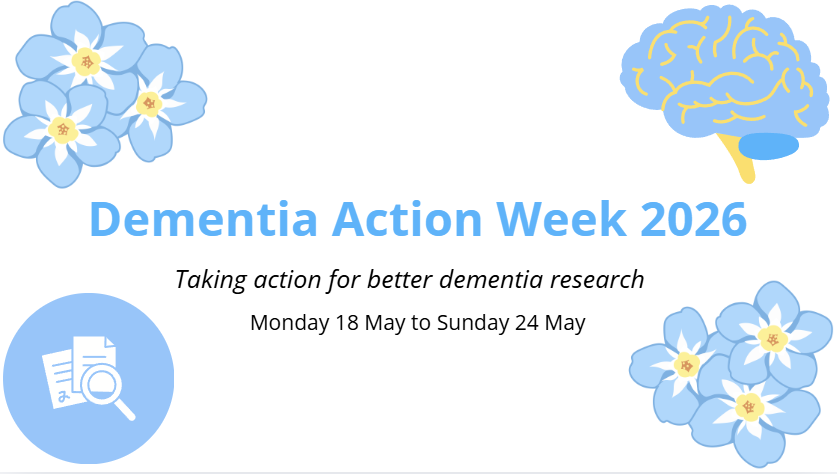
From Monday 18 May to Sunday 24 May, Dementia Action Week shines a spotlight on the nearly one million people in the UK living with dementia and the families who support them. It is a time to raise awareness, encourage action, and think about how we can improve diagnosis, care, policy, and research.
Across the UK, communities, schools, and organisations are coming together for events, workshops, fundraising, and awareness campaigns. For the ON‑FIRE network, this week is also a moment to reflect on why inclusive, patient‑centred research matters – and to say thank you.
Even small actions can make a meaningful difference: starting conversations about dementia, supporting campaigns, sharing personal experiences, or getting involved in research. Together, these efforts can help change how we understand dementia and how we support people living with it.
We are especially grateful to the people with frontotemporal dementia, their families, and carers who contribute to ON‑FIRE by taking part in studies, sharing their experiences, and helping shape the direction of our work. Their generosity of time and insight is at the heart of our research.
A key priority for ON‑FIRE is ensuring that people with lived experience of frontotemporal dementia are actively involved in how studies are designed and delivered. Their perspectives help us focus on what matters most in daily life, so that our studies are more relevant, practical, and meaningful for those affected by dementia.
Our research aims to develop better biomarkers to measure inflammation and other changes in frontotemporal dementia, working with both specialist and non‑specialist clinics across the UK. By building a national network of more than 40 research and healthcare centres, we hope to bring research closer to people in many different communities, including those who are often under‑represented in clinical studies.
Making research accessible and inclusive is essential if future dementia care and treatments are to reflect the people they are intended for. By improving representation – in terms of geography, ethnicity, socioeconomic background, and clinical presentation – we can build evidence that is more robust and more equitable.
Through awareness, collaboration, and inclusive research, the ON‑FIRE network aims to work towards better outcomes for everyone affected by frontotemporal dementia and other dementias. If you would like to learn more or explore ways to get involved, you can speak to your healthcare team about research opportunities, contact us via the ON‑FIRE website, and help spread the word by sharing this work within your community, workplace, or social networks.